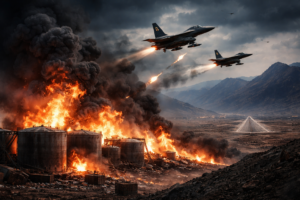
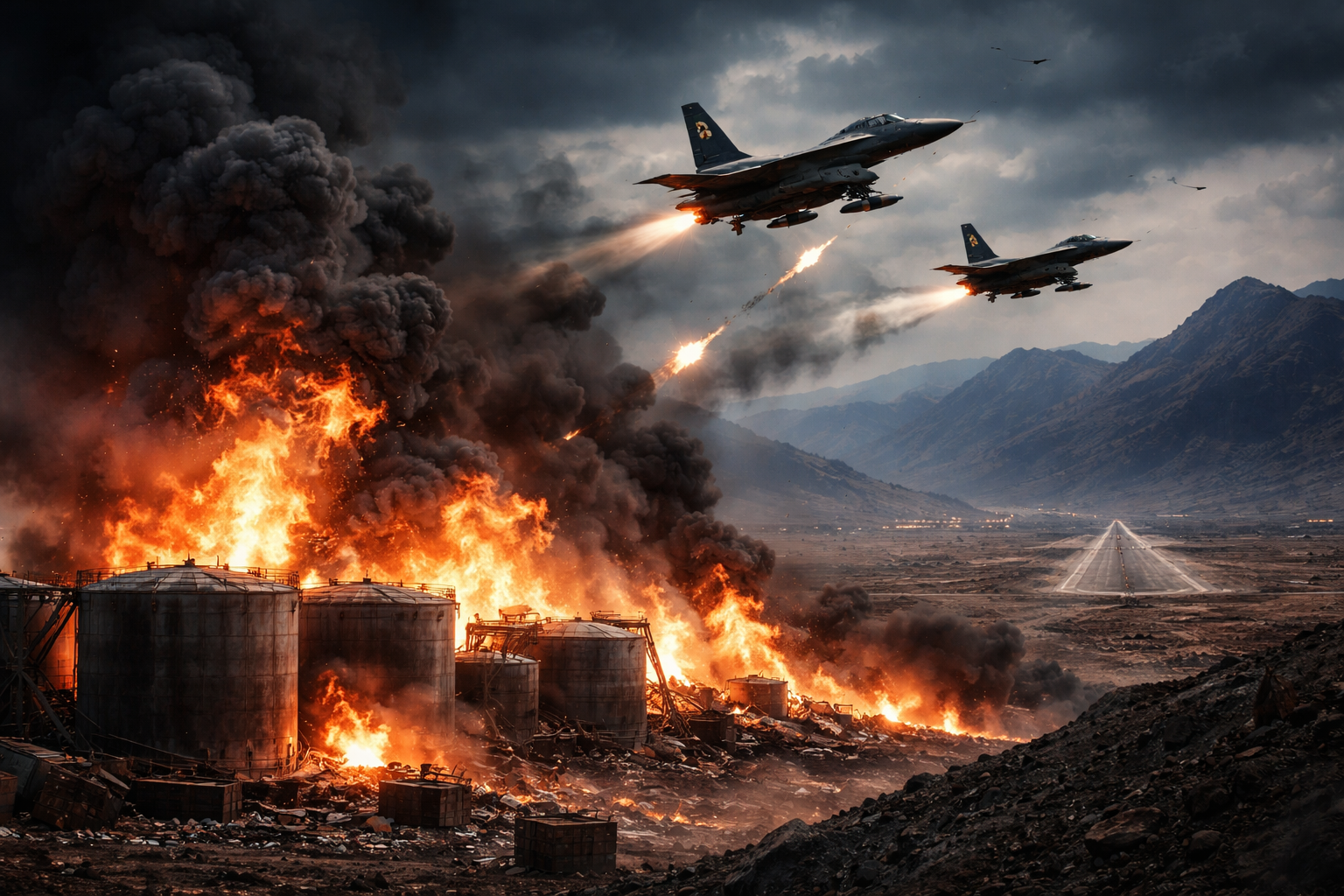
Pakistani jets once again bombed parts of Afghanistan. They targeted civilians and Kamrair’s oil reservoir. Pakistan’s latest military campaign against Afghanistan has entered a dangerous new phase, and the motives behind it are becoming increasingly difficult for Islamabad to conceal. Last week, Babar Awan—a prominent Pakistani human rights advocate and member of parliament—publicly confirmed what More
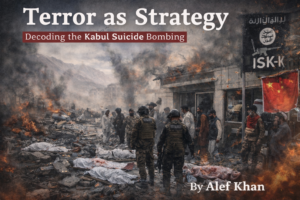
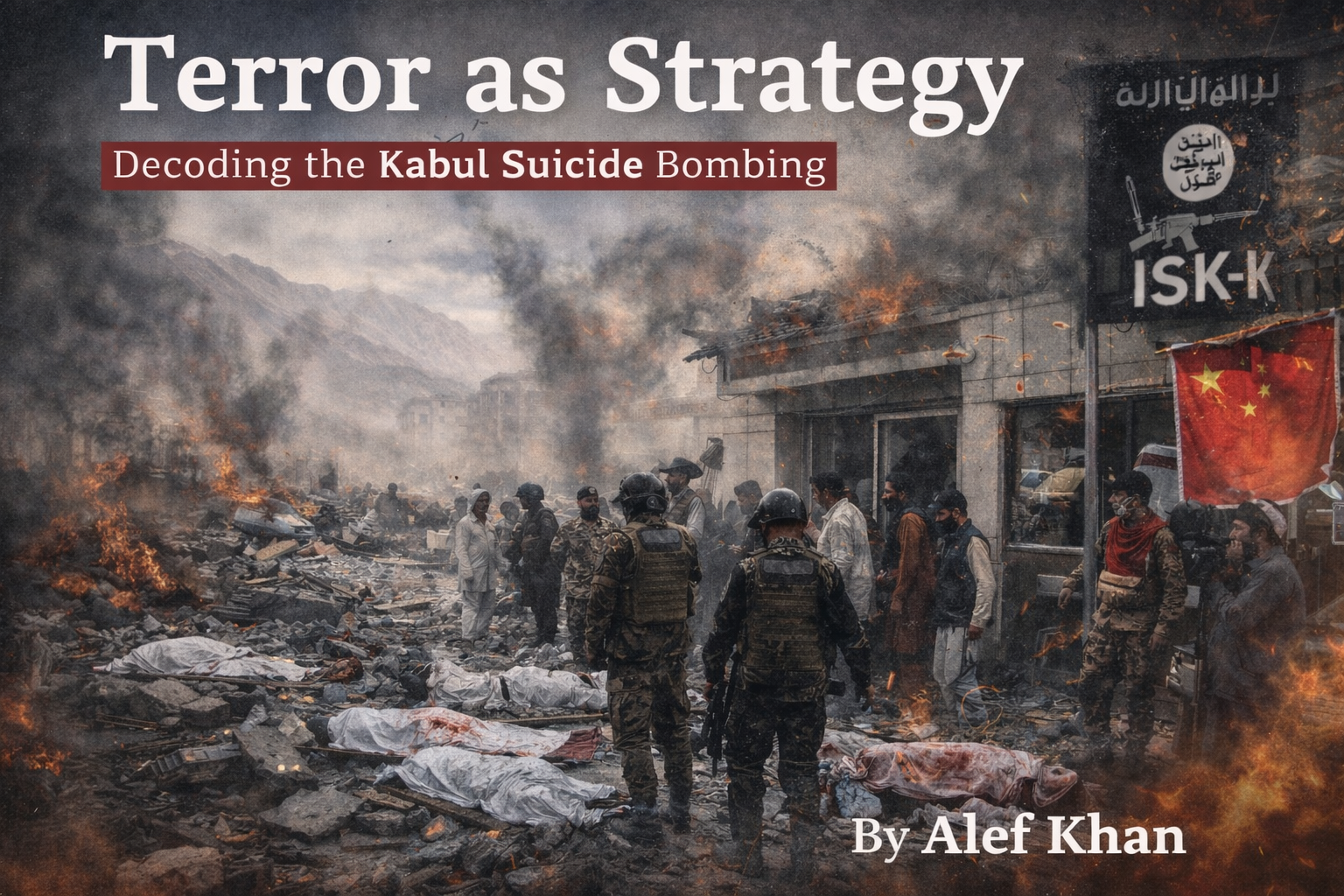
Kabul suffered a major suicide attack yesterday in which a Uighur Chinese restaurant was targeted, killing seven people—including a Chinese national—and injuring 20 others. ISK, which is claimed to be a chapter of ISIS, has taken responsibility for the attack. Some sources report that several mid‑level Taliban members were also among the casualties. ISK has More
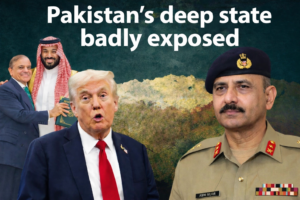
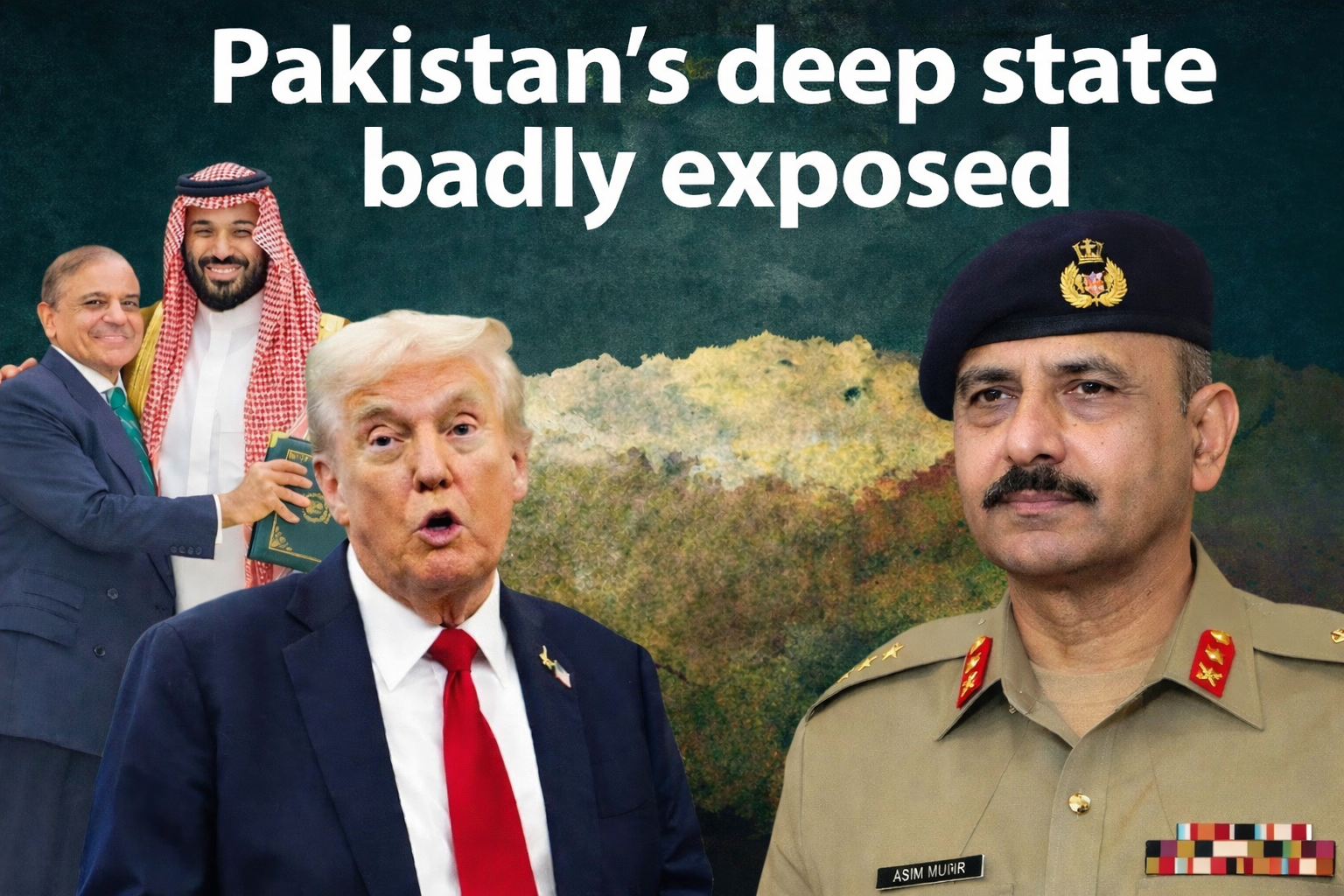
The general observation by analysts and commentators on Pakistan’s unique civil-military dynamic will take you to the famous saying, “Most countries have an army, but Pakistan’s army has a country,” but things have gotten worse, and now, after suppressing its people, mostly Pakistan’s Tehreek-e-Insaf (PTI) supporters, and detaining its leader and former Prime Minister Imran More
Geography and a history of proxy politics have made Afghanistan an arena for others’ contests, undermining its stability. Internal fragmentation has compounded the damage. Regional rivalries have repeatedly undermined Afghan-led efforts toward peace. These rivalries have included those between Pakistan and India and between Iran and the Gulf States. Intensifying US–China competition and US tensions More
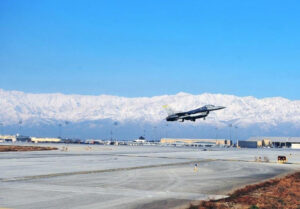
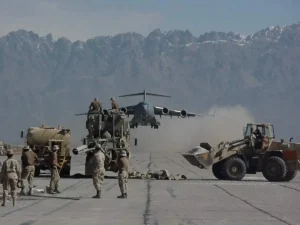
Trump’s latest ordeal with the Taliban comes down to one pressing question: Will they hand over Bagram Air Base, or is this a high-stakes gamble for political recognition? Nearly 24 years ago, in September, I vividly remember one hot night at home. My father, along with a few male guests, sat on the roof, brimming More
The United Nations Security Council convened last week to assess the quarterly Afghanistan report presented by the out-going Special Representative of the Secretary General, Rosa Otunbayeva, and other Council members. They did not, however, expect to hear that Afghanistan’s precarious trajectory faces a “perfect storm” of crises—humanitarian shortages, entrenched human rights violations, and regional tension, More
Afghans—whether nationalists, patriots, Islamists, secularists, or leftists—share one conviction almost instinctively: they despise the direct presence of foreigners. This rejection is so visceral that it has shaped much of our political discourse for generations. Yet, beneath the surface lies a painful contradiction. The same forces that denounce foreign occupation often take pride in dealing with More
Afghanistan’s energy sector faces a significant and persistent deficit, hindering its economic and social development. The country has one of the lowest per capita energy consumption rates in the world, with a high percentage of its population, especially in rural areas, lacking reliable electricity. This has led to a costly reliance on imported power, creating More
Identity has been integral to politics since the dawn of human civilization. Political boundaries have been drawn, resources claimed, and conflicts justified through the articulation of identity. Even in early Islamic history, the Prophet Muhammad (SAW) emphasized a unifying human identity that reduced internal strife and fostered communal cohesion. Today, identity remains a potent instrument More
We still remember the day Kabul fell. So many Afghans who worked shoulder to shoulder with Americans in military, diplomatic, and development missions immediately knew the risks they faced under the Taliban regime, who saw them not as civilians but as traitors and infidels. These Afghan partners of the United States knew that staying behind More