







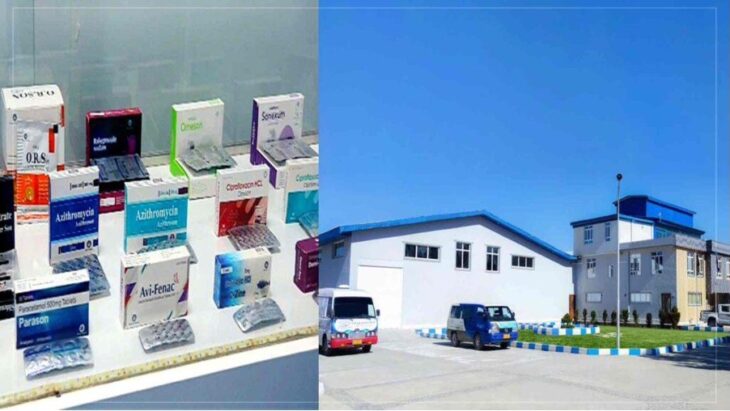
Following the Afghanistan’s decision to halt the import of medicines from Pakistan, the Chamber of Industries and Mines says more than 10 pharmaceutical factories in western Herat province now produce over 1,000 types of medicines, helping meet part of the country’s needs.
On November 22, the Ministry of Finance announced that based on directives from the Office of the Deputy Prime Minister for Economic Affairs, Afghanistan would stop taxing the import of medicines from Pakistan after the next three months, and instructed importers to settle trade transactions and seek alternative routes.
Residents of Herat welcomed the move, calling it an important step toward boosting domestic production.
Mohammad Nasir Amin, head of the Herat Chamber of Industries and Mines and deputy of the Medicine Sellers Union, said more than 10 pharmaceutical factories in Herat are producing over 1,000 types of medicines to meet patient needs.
He added that other companies are also working to expand production capacity to help Afghanistan achieve self-sufficiency with high-standard pharmaceutical products.
Meanwhile, residents say locally produced medicines—especially those manufactured in the Herat Industrial Park—are of good quality and meet a large share of patient needs.
Some pharmacy owners in Herat also believe the quality of domestic medicines has improved, leading to greater public trust and rising customer demand.
They say Afghan-made medicines are gradually replacing foreign products, particularly those imported from Pakistan, and their market share continues to grow.
Governor spokesman Mufti Mohammad Yousuf Saeedi reaffirmed support for domestic industries, saying medicines produced in Herat’s industrial park are a suitable replacement for imported drugs and can meet a significant portion of the country’s needs.
hz/ma
Views: 2