







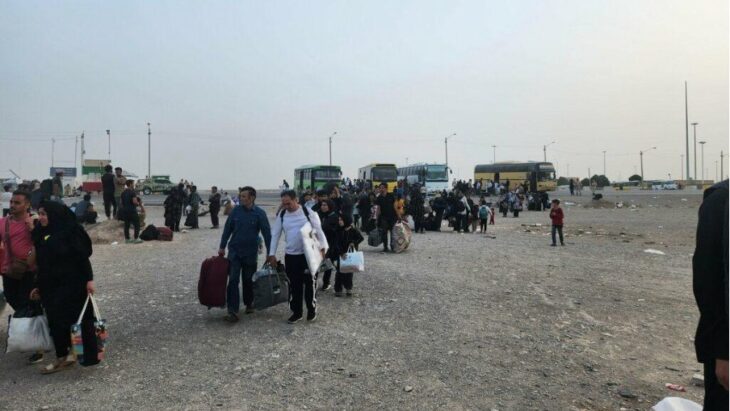
The United Nations Development Programme (UNDP) states that decades of war, economic stagnation and climate-related challenges have eroded local resilience in Afghanistan, leaving most families in need of assistance.
The report states that more than three-quarters of Afghan families face livelihood insecurity and require support to access food, shelter and healthcare. In 2024, nearly 95 percent of the population experienced severe economic hardship.
UNDP highlights that most returnees enter Afghanistan involuntarily, without savings, assets, or official documents. Their arrival has intensified competition for jobs, water, and housing, placing further strain on social cohesion and local services.
Recent devastating earthquakes in Nangarhar, Kunar, and Samangan, along with sudden floods and severe drought this year, have caused significant damage to lives and livelihoods. Reduced foreign aid has worsened the situation.
The return of over 2.3 million Afghans in 2025 has added heavy pressure on the country’s fragile systems. Women and girls, especially those heading households, are disproportionately affected, with limited access to education, healthcare, and livelihood opportunities.
In some provinces, one in every four returnee households is headed by a woman. UNDP stresses that removing barriers and investing in women’s participation in the local economy is crucial for family stability, regional peace, and long-term recovery.
Despite these challenges, returnees bring skills and determination to rebuild their lives. With proper support, their return could drive local reconstruction, economic revival, improved services, and strengthened social cohesion.
.
Views: 1