







Afghans—whether nationalists, patriots, Islamists, secularists, or leftists—share one conviction almost instinctively: they despise the direct presence of foreigners. This rejection is so visceral that it has shaped much of our political discourse for generations. Yet, beneath the surface lies a painful contradiction. The same forces that denounce foreign occupation often take pride in dealing with those very powers indirectly—through proxy arrangements, second-hand agreements, and covert transactions. Open domination is condemned, but hidden dependence is quietly celebrated. We reject foreign armies in name, yet too often we serve as their foot soldiers in practice.
This duality is unsustainable. What our country needs is not more slogans or nostalgic references to the past, but the courage to take bold political decisions—decisions that address the realities of our time and break from reactionary patterns.
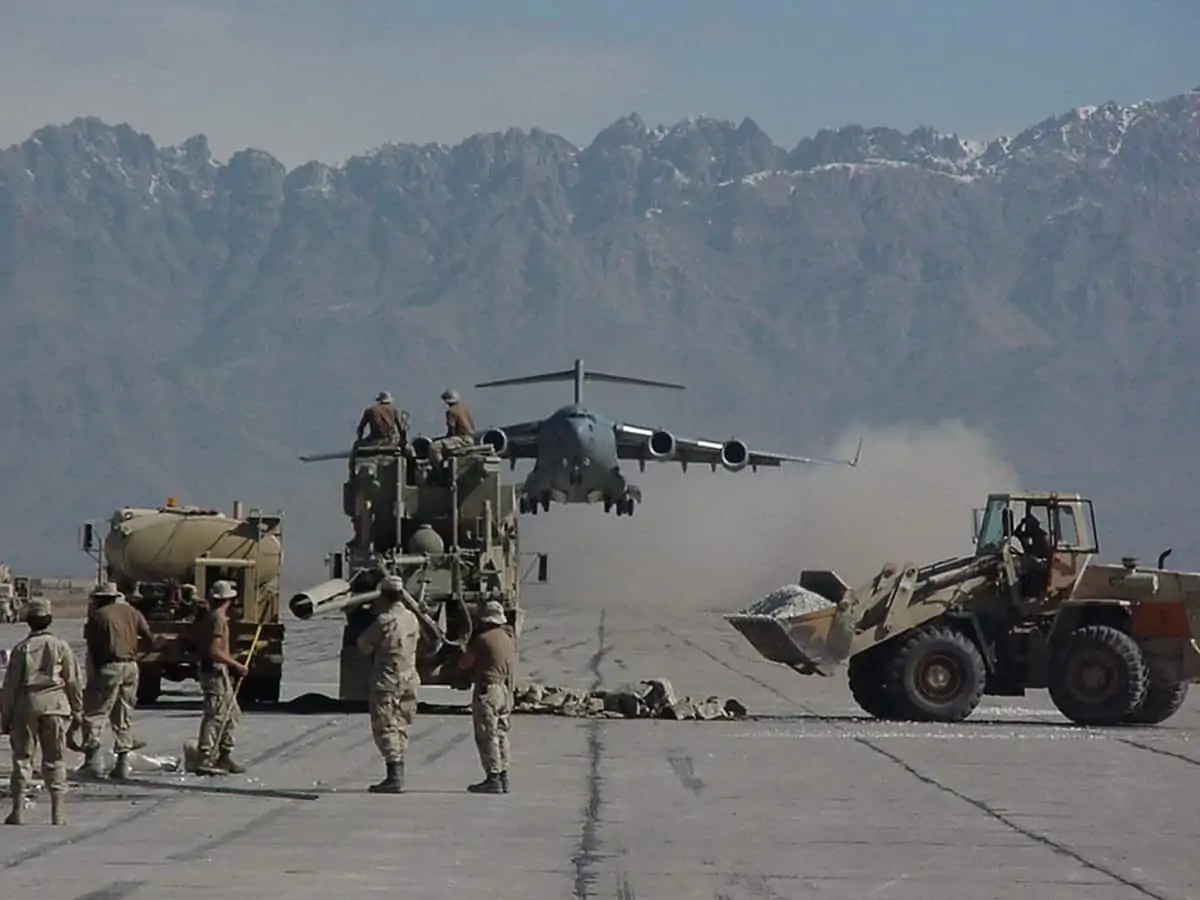
A recent example illustrates this contradiction. President Trump has repeatedly suggested that the United States should retake the Bagram Air Base, given its strategic location near China. Instead of soberly analyzing what such a move could mean for Afghanistan’s security, economy, and regional leverage, nearly every Afghan faction dismissed the idea outright—blindly and reflexively, as if rejection itself were a political principle. This is the very kind of reactionary mindset that has kept us trapped between fear of foreign presence and dependence on foreign power.
I witnessed this contradiction firsthand during my years as governor in four Afghan provinces from 2008 to 2021. Tribal elders, mullahs, politicians, and even officials of the Islamic Republic of Afghanistan would, in private, express their support for NATO forces and acknowledge the necessity of their presence. Yet in public, those very same voices would denounce the partnership, distance themselves from it, or even condemn it outright. This duplicity not only paved the way for mistrust but also fueled conspiracy theories, eroded confidence, and weakened the partnership that could have been our strongest asset.
Our Islamists, for example, still search for political formulas in the Mu’allaqat—odes of the pre-Islamic “Age of Ignorance”—as if ancient poetry can offer solutions for modern governance. Our nationalists, meanwhile, look to the Avesta or the histories of Herodotus to define politics and occupation. Both approaches, however, are doomed to fail. They attempt to solve today’s challenges with the tools of yesterday, clinging to historical molds while the world around us has moved on.
What must be recognized is that populism and hypocrisy can never serve as permanent political strategies. They may provide temporary comfort, but they cannot guide a nation toward stability or progress. Instead, we must have the courage to confront our people with the truth: that Afghanistan’s survival and prosperity depend on an honest and constructive relationship with the international community. Pretending otherwise is a betrayal of our future.
That means clearly defining our national interests and identifying where they intersect with the shared interests of the international community. Once that foundation is established, whatever agreements or partnerships emerge must be explained to the public with honesty and conviction. The people must be educated, not manipulated. Only through clarity and transparency can we build lasting trust.
Above all, what Afghanistan needs is leadership—leadership that dares to lead rather than simply echo the passions of the crowd. We do not need politicians who follow the ignorance of the masses; we need statesmen who can illuminate the path forward, even when it is difficult, even when it is unpopular. Only then can we break free from the cycle of denial, dependency, and decay

Mohammed Halim Fidai is a former governor and civil society activist.
The views expressed in this article do not necessarily reflect Wesal TV’s editorial policy.
Views: 314