







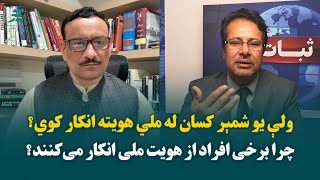
In recent years, identity debates have intensified among segments of the Afghan diaspora. Some individuals have openly rejected Afghanistan’s national identity and appear to be grappling with a profound identity crisis.
This is despite the fact that, in 2004, more than 1,500 political, ethnic, tribal, and religious leaders—along with representatives from cultural and civil society organizations—convened at a Loya Jirga and agreed that the national identity would be “Afghan.” It was further established that every citizen of Afghanistan would be referred to as Afghan, a consensus later enshrined in Article 4 of the country’s Constitution.
Yet, two decades later, a portion of those very citizens—many now residing abroad—associate the term “Afghan” exclusively with a single ethnic group. In doing so, they distance themselves from the nation’s collective history, values, and achievements, even while asserting claims over the entire geographical territory of Afghanistan.
Ironically, while these individuals are recognized as “Afghans” abroad and benefit from the rights and privileges that come with the identity, they view identifying as Afghan as a threat to their distinct ethnic identity.
Whether their arguments are valid or not, the motivations behind this identity denial—be they political, ethnic, cultural, or linguistic—deserve careful analysis. It is also important to understand why this issue is particularly prominent within the Afghan diaspora.
To explore these questions, we spoke with Mushtaq Rahim, a researcher specializing in peace and development. We invite you to reflect on his insights.
sa
Views: 4