





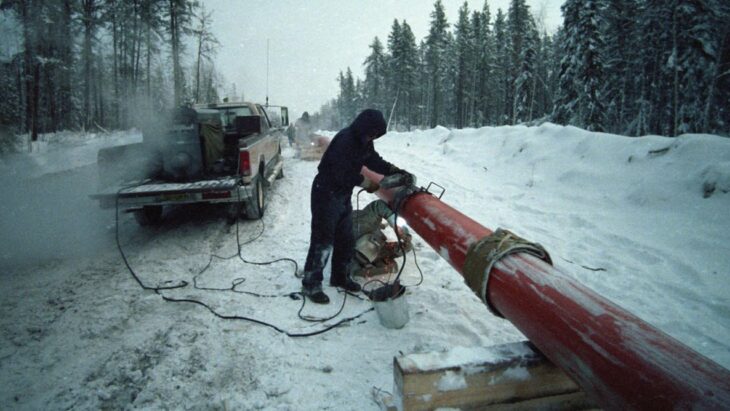
Canada is once again weighing a familiar but consequential question: whether the country should build another major oil pipeline.
It is an issue that sits at the centre of Canada’s economic identity and political debate — touching affordability, jobs, energy security, Indigenous rights, climate commitments, and national unity.
Canada has already built one of the world’s largest pipeline systems. More than 840,000 kilometres of oil and gas pipelines run beneath the country — enough to circle the globe about 21 times. Oil and gas remain Canada’s top export category, worth roughly $200 billion annually and accounting for about 10 per cent of GDP. The sector supports hundreds of thousands of jobs and underpins government revenues that fund health care, infrastructure, and public services.
Canada is the fourth-largest oil producer globally, pumping more than five million barrels per day — but almost all crude goes to a single buyer: the United States. Limited access to overseas markets means Canadian oil often sells at a discount, costing the economy billions in lost revenue each year. Alternative —energy-hungry markets of Asia.
That economic reality continues to fuel calls for new pipeline capacity. But the debate now takes place amid widening concerns about climate change and growing recognition of Indigenous sovereignty.
Pipeline Dilemma and Climate Risks
Canada faces a critical crossroads over expanding its oil pipeline infrastructure. While pipelines promise economic growth and access to energy-hungry Asian markets, critics warn that new fossil-fuel projects directly conflict with the country’s climate goals.
The Intergovernmental Panel on Climate Change (IPCC) has emphasized that global emissions must fall sharply within the next decade to avoid catastrophic warming. Long-lived pipelines risk locking Canada into decades of oil dependency, just as the world must accelerate its shift to clean energy. “Building long-lived fossil fuel infrastructure at this moment undermines the climate milestones we aimed for in 2030 and 2050 — it’s locking in risk,” says a senior climate analyst.
This week, hundreds of First Nations leaders are meeting in Ottawa for their annual December gathering, with discussions centered on last week’s federal-provincial agreement for a bitumen pipeline targeting Asian markets.
Environmental hazards compound the climate threat. Oil spills can devastate waterways, wildlife, and Indigenous communities who rely on these ecosystems for food, culture, and livelihoods. As one Indigenous says “When it comes to approving large national projects on First Nations lands, there will not be getting around rights holders.”
Economically, Canada’s reliance on a single buyer — the United States — limits revenue potential, though pipelines could open new markets in Asia. Yet studies warn that up to two-thirds of planned oil investments could become stranded under a 1.5 °C-aligned global transition, highlighting the financial risks of overexpansion.
Canada must balance economic ambitions with urgent climate action. Pipelines may offer short-term gains, but environmental, financial, and ethical stakes suggest that the nation cannot afford to ignore long-term consequences. The next decade will determine whether Canada advances as a responsible energy exporter or locks itself into risky fossil dependency.
Economic Stakes
Pipeline construction generates significant employment in engineering, construction, and Indigenous contracting, with the Trans Mountain expansion supporting tens of thousands of jobs at its peak. Long-term benefits, however, are tied to market access. Analysts note that even a modest uplift in oil pricing — if Canada reaches Asian or European refiners paying global benchmarks — could translate into billions in additional public revenue. Supporters argue that without these gains, affordability pressures and Canada’s fiscal constraints will worsen, making the energy transition — and funding social programs — harder to sustain.
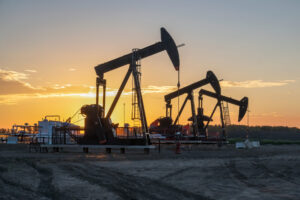
The broader concerns about Canada’s capacity to build major infrastructure. Multi-year delays, court battles, and rising costs have become hallmarks of national projects. Industry leaders warn that if Canada cannot build pipelines, it may also struggle to construct crucial power grids, transit systems, hydro dams, and even housing, jeopardizing economic competitiveness.
Pipeline opponents counter that further expansion risks undermining Canada’s international climate commitments and delaying investments in genuinely clean alternatives. They caution that betting on long-term global oil demand could leave Canada with stranded assets in a rapidly shifting energy system. Many Indigenous Nations remain firmly opposed, and any project lacking consent on affected territories cannot move forward responsibly.
Canadians across the country want solutions that balance affordability, energy reliability, and environmental protection. Polling consistently shows a preference for pragmatic transition — not rapid shutdowns or unchecked expansion. The unresolved question is whether another pipeline can fit into that middle ground.
Views: 19