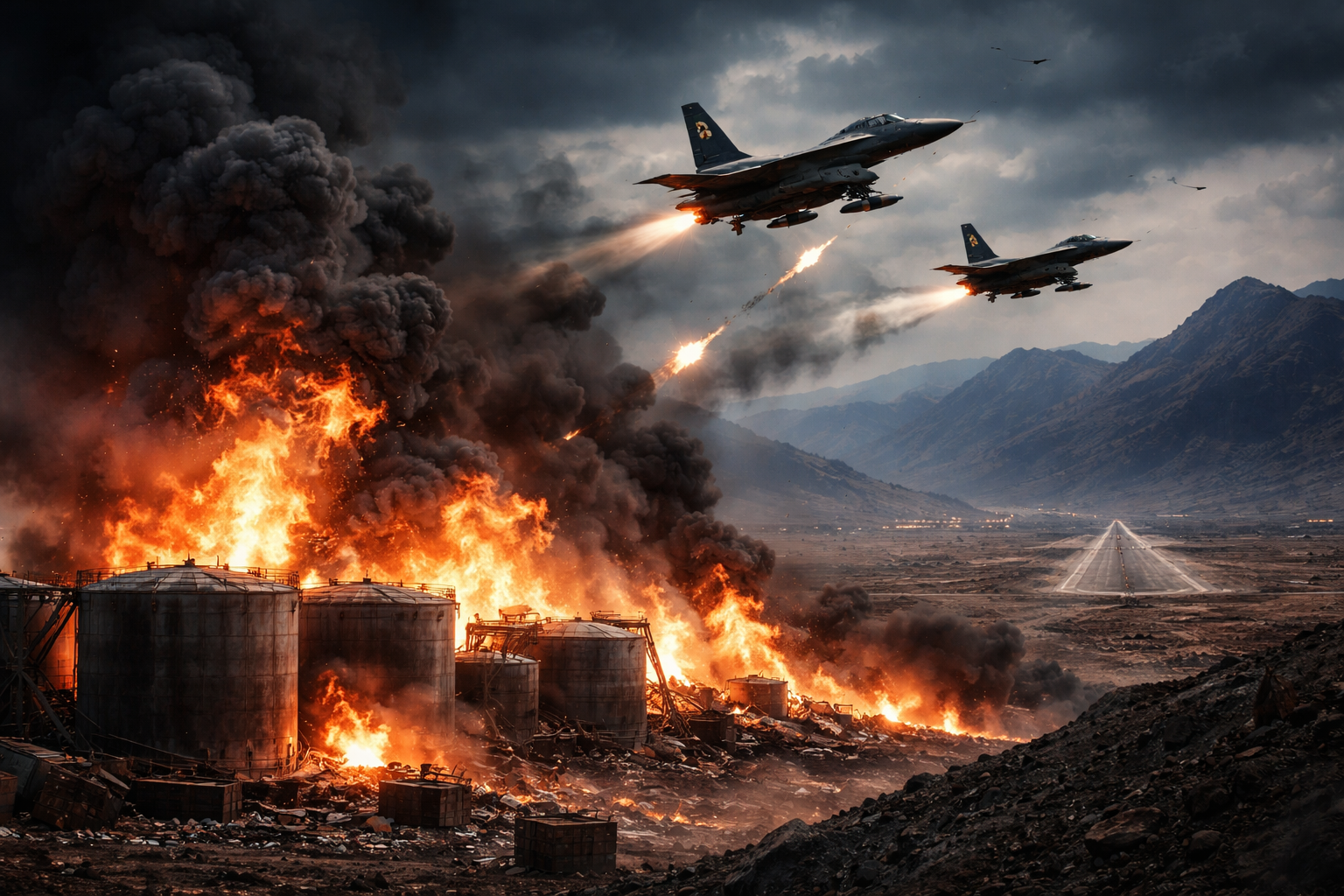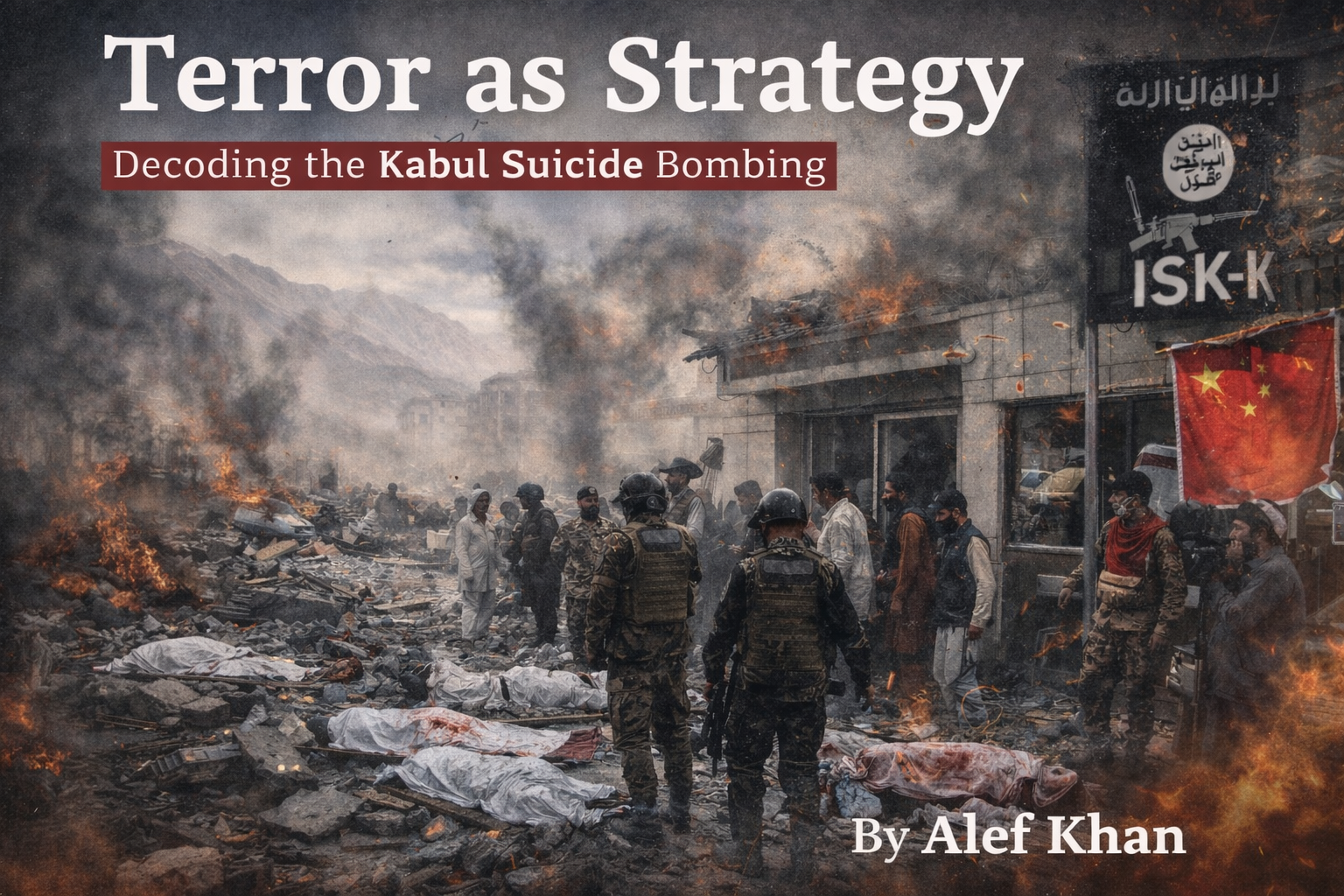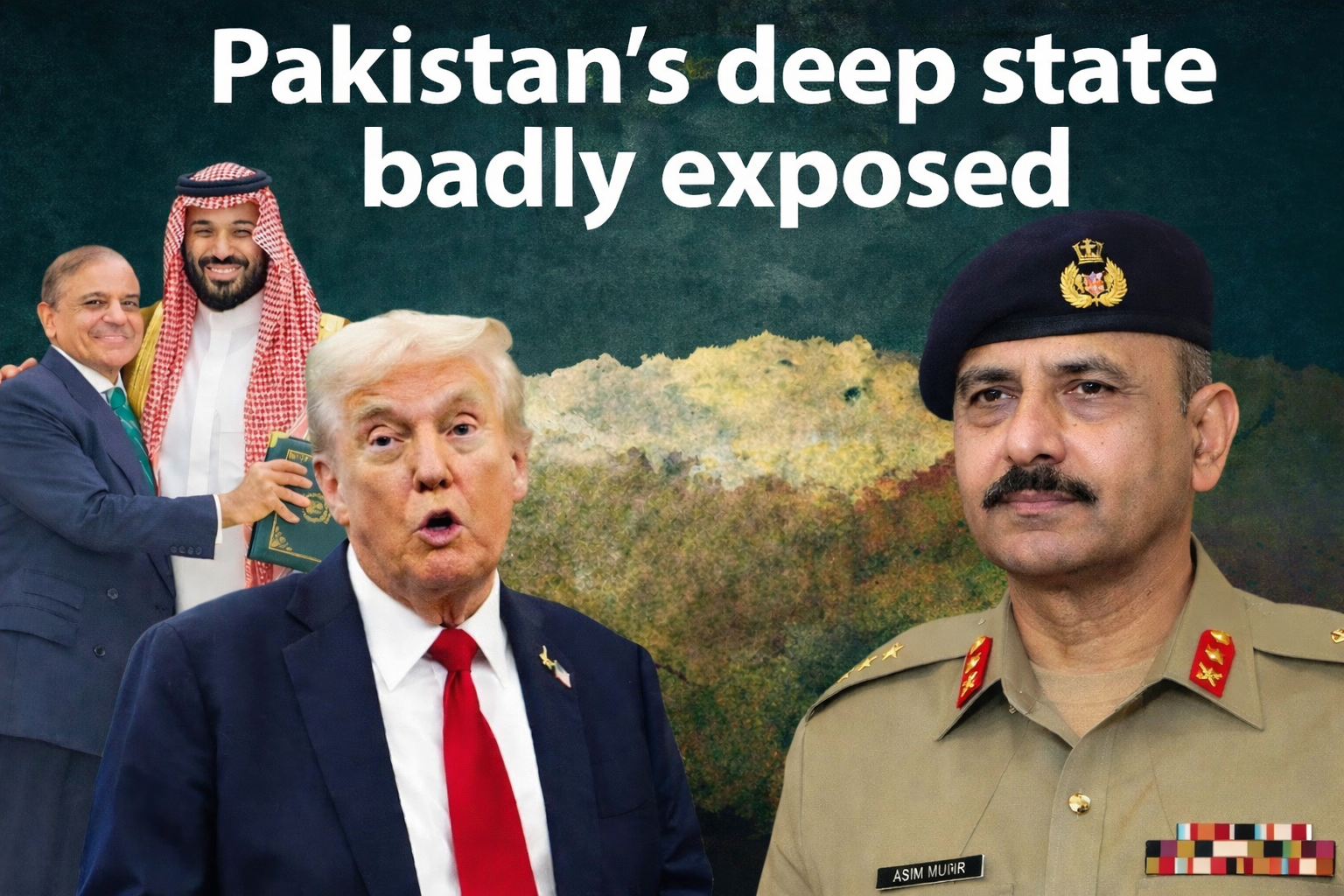





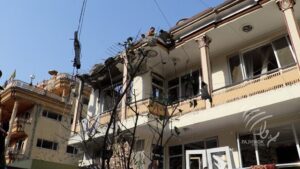
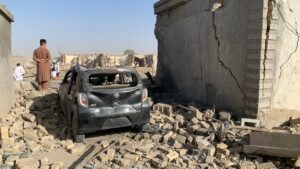
At least 46 Afghan civilians were killed and 210 wounded after Pakistan’s air force consecutively struck Kabul and Spin Boldak district in southern Kandahar, in one of the deadliest cross-border attacks since the Taliban’s return to power. Afghan analysts and citizens accuse Pakistan’s military establishment of engineering the Tehrik-i-Taliban Pakistan (TTP) as a proxy force to destabilize Afghanistan, particularly after the Taliban began warming its ties with India.
Formed in December 2007 by Baitullah Mehsud, the TTP brought together militant factions from Pakistan’s former Federally Administered Tribal Areas (FATA). Afghan analyst Ismail Youn said Pakistan’s strikes “violate all international norms and principles,” calling it “a crime against Afghan sovereignty.” He added that “Afghanistan remains too isolated to raise its voice effectively on the global stage.”
The last two weeks have been the deadliest in years. Afghanistan and Pakistan agreed to a 48-hour ceasefire following the most intense border clashes in years. The truce began on Wednesday at 6:00 p.m. Islamabad time (13:00 GMT).
Pakistan’s government said both sides would “sincerely strive to find a positive solution to this complex but resolvable issue through constructive dialogue”.
In Kabul, the Taliban ordered its fighters to “honor the two-day ceasefire,” warning that it would respond if Pakistan violated the agreement. The truce followed a week of escalating hostilities triggered by Taliban offensives and Pakistani airstrikes inside Afghanistan.
The conflicting narratives over who initiated the truce highlight deep mistrust: Islamabad framed it as Pakistan’s offer, while Taliban officials claimed the proposal came “at Pakistan’s insistence.”
Even as the ceasefire began, the UN urged both countries to make the halt permanent, stressing that “lasting peace must replace episodic pauses”.
The Roots of a Manufactured Conflict
Beneath the truce lies a deeper and more troubling dynamic: Pakistan’s long entanglement with militant networks that it once helped nurture and now seeks to destroy.
Islamabad accuses the Afghan Taliban of sheltering TTP militants, whose attacks on Pakistani soil have surged in recent months. Afghan Taliban rejects these claims and counters that Pakistan supports linked cells to destabilize Afghanistan.
At the center of the standoff is Noor Wali Mehsud, the TTP alive leader blamed for near-daily attacks from across the border. Pakistan’s airstrikes on a vehicle in Kabul allegedly carrying Mehsud may have triggered the latest escalation. For Afghanistan, compliance with Pakistan’s demands would be seen domestically as a surrender of sovereignty, leaving the Taliban to balance national pride with regional pragmatism. Following the attack, Mehsud issued an audio message confirming that he had survived.
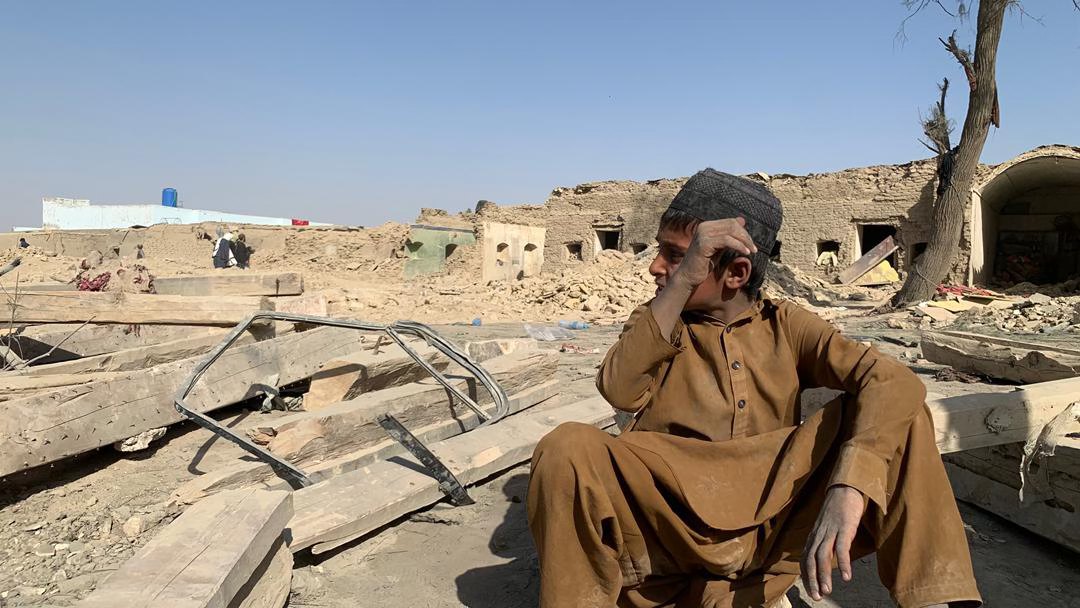
The human toll continues to rise, local reports from Spin Boldak suggest 20 civilians killed and 170 injured. Abdullah Khan, from Kandahar province, returned to his property after a Pakistani airstrike. “Nothing is left. The whole house has collapsed,” he said.
The Border Crisis Shifting Geopolitical Chessboard:
The border crisis is inseparable from South Asia’s shifting geopolitical chessboard. Pakistan’s military, facing a surge in domestic militancy, increasingly views Kabul as both a source of instability and a challenge to its once unchallenged influence over Afghan affairs.
The Taliban, meanwhile, accuses Pakistan of treating Afghanistan as a client state, rejecting interference and drawing closer to other regional players. India’s growing diplomatic outreach to Kabul, amid Pakistan’s isolation, adds another dimension to the rivalry.
China, Russia, and Gulf states are quietly watching. Their concern is not ideological but practical: a wider war could destabilize trade routes and investment corridors across the region. Abdul Wahid Tabi, US based analyst said , “neither side can afford to win this war,but Pak side will lose it.”
The 48-hour ceasefire is less a breakthrough than a mutual timeout. The two sides remain divided on verification, trust, and control over militants. Unless transformed into sustained dialogue, the truce risks collapsing into another round of retaliatory raids and civilian deaths.
For any durable peace, Islamabad and Kabul must agree on confidence-building measures—localized monitoring, third-party mediation, and limits on cross-border operations
For now, the guns are silent—but the silence is uneasy. As Afghan analyst Ismail Youn warns, “When your neighbor creates your enemy, peace is never truly yours.”
Views: 13